What to Cook with What's in Your Fridge: A Practical System
A repeatable method for turning random fridge contents into an actual dinner — plus how AI menu generators like PanSnap automate the whole decision.
 PanSnap Team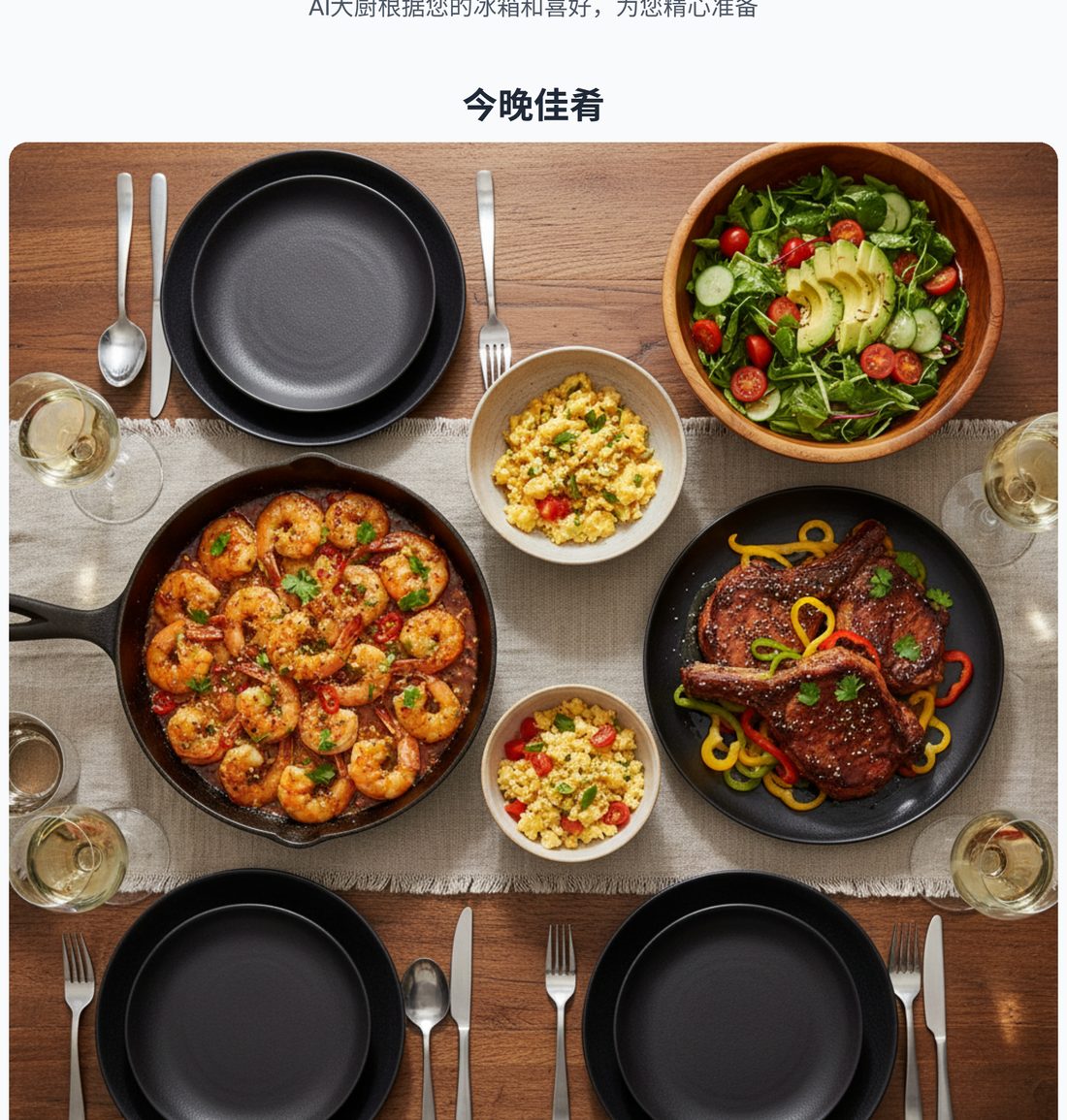
It's 5:30 pm. You open the fridge, stare at the same shelf you saw this morning — eggs, half an onion, some wilting greens, yesterday's rice — and close it again. Forty minutes later you're scrolling a delivery app.
The problem was never a lack of food. It was a lack of a decision. Here's the system professional cooks use, and how to automate it.
The 3-question scan
Before reaching for a recipe app, answer three questions in order:
- What needs using up first? Anything cooked, cut, or leafy goes first. Fresh proteins second. Shelf-stable items last. This ordering alone eliminates most food waste.
- What's the flavor anchor? One strong ingredient decides the dish family. Soy sauce + rice points Asian; tortillas point Mexican; heavy cream points pasta.
- What's missing is cheaper than what you have. If you have eggs, tomatoes, and rice, the missing scallion costs nothing compared to the takeout you were about to order.
Combine, don't search
Recipe apps fail at this stage because they search by single ingredient. Type "eggs" and you get quiches serving six that need cream you don't have. Real cooking works by combination: eggs + rice + tomatoes is a complete fried-rice night; eggs + onion + potato is a Spanish-style tortilla.
Write down 5 combinations you already know by heart. That's your emergency back pocket. Everything else — read on.
Where AI fits
This combination step is exactly what an AI menu generator does, just faster and with more range than memory. With PanSnap, you either photograph the fridge shelf or type the list ("2 eggs, half an onion, tomatoes, leftover rice"), set preferences (spice level, diners, dietary limits), and get back:
- A complete dinner menu — dishes chosen to work together as one meal, not a random recipe list
- A consolidated shopping list with quantities, seasonings separated from fresh items
- Step-by-step instructions with photos, paginated like a real cookbook
Because the model sees all your ingredients at once, it solves the combination problem natively — including the boring half-onion situations that recipe databases handle badly.
The waste bonus
Deciding dinners from what's already in the fridge has a side effect: your grocery runs shrink to actual gaps, and the mystery-container graveyard in your crisper drawer stops growing. Households that plan this way routinely cut food waste by a noticeable margin within a month — no extra effort beyond letting the decision be made for you.
Try it tonight
Open your fridge, take one photo, and see what comes back. Your first menus are free: create a menu now — no card required.